
Fed up with the suffocating Jim Crow Laws by the mid 1900’s we had built sufficient strength to start to push back on the unfair segregation laws. After World War II, many soldiers came home expecting to be at the very least treated with the respect they feel they had earned during the war. They quickly learned their bravery and sacrifice had very little and in some cases no value.
The hate continued, the attacks continued and humiliation continued. By the 1950’s we had enough and throughout the country acts of defiance and protest begin to happen led by average people who couldn’t take any more.
 Claudette Colvin was the first person arrested for challenging Jim Crow segregation laws on public buses. On March 2, 1955, just nine months before Rosa Parks’ arrest, the 15-year-old Black student refused to give up her seat on a Montgomery, Alabama bus to a white passenger, citing her constitutional rights. She was forcibly removed by police, handcuffed, and jailed. Her arrest marked the first known instance of a person being arrested for defying bus segregation laws in Montgomery, though her role was largely overlooked in mainstream civil rights history until later recognition by historians and activists.
The lunch counter protest in the South took place in Greensboro, North 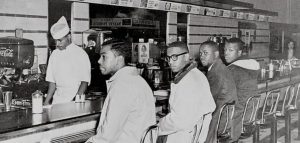 Carolina, on February 1, 1960. Four African American college students—Ezell Blair Jr., Franklin McCain, Joseph McNeil, and David Richmond—sat down at the “whites only” lunch counter of the F. W. Woolworth store in downtown Greensboro.
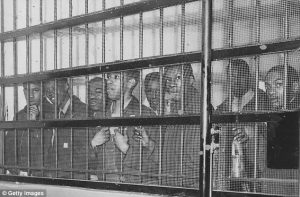 The lunch counter protest by the Friendship Nine, a group of civil rights activists from Friendship Junior College in Rock Hill, South Carolina. On January 31, 1961, they staged a sit-in at the segregated McCrory’s lunch counter on Main Street, were arrested, and chose “jail, no bail,” inspiring a wave of similar protests.
And Virginia was no different.

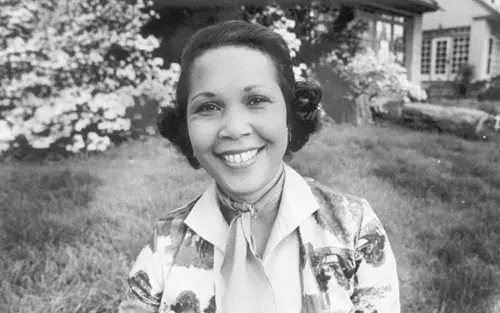
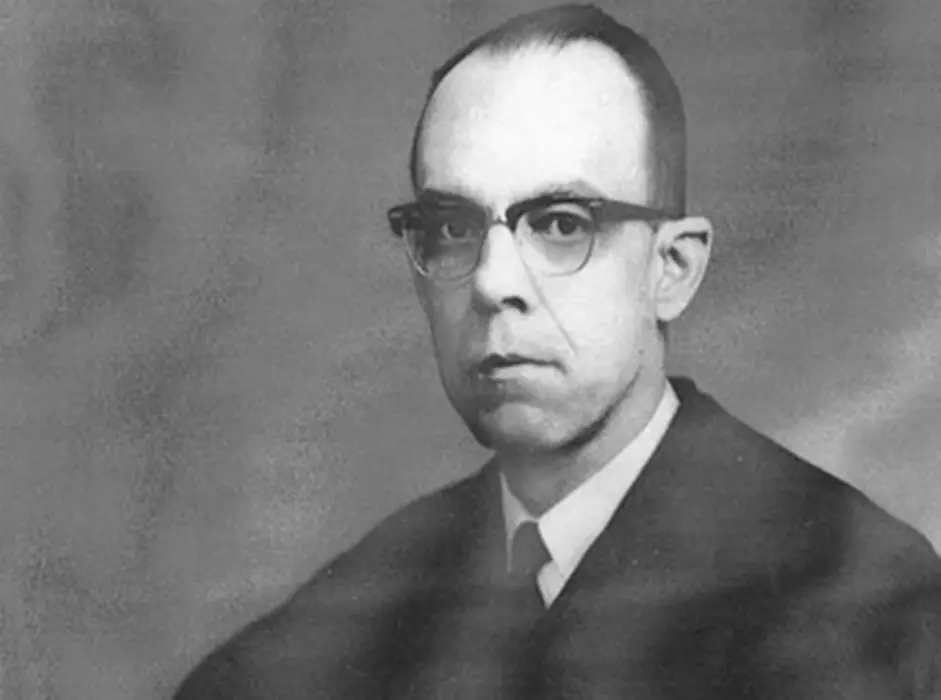

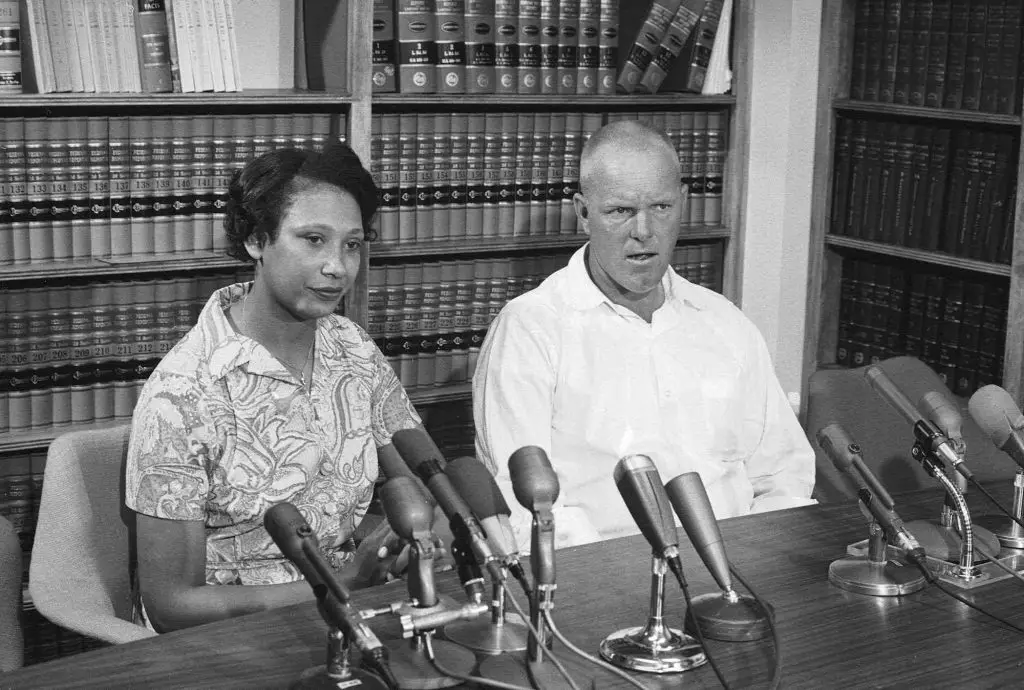
Loving v. Virginia (1967), was a landmark civil rights decision of the United States Supreme Court that ruled that the laws banning interracial marriage violate the Equal Protection and Due Process clauses of the Fourteenth Amendment to the U.S. Constitution.
The case involved Richard Loving, a white man, and his wife Mildred Loving, a woman of color. In 1959, the Loving’s were convicted of violating Virginia‘s Racial Integrity Act of 1924, which criminalized marriage between people classified as “white” and people classified as “colored“. Caroline County circuit court judge Leon M. Bazile sentenced the Loving’s to prison but suspended their sentences on the condition that they leave Virginia and not return. The Loving’s filed a motion to vacate their convictions on the ground that the Racial Integrity Act was unconstitutional, but Bazile denied it. After unsuccessfully appealing to the Supreme Court of Virginia, the Loving’s appealed to the U.S. Supreme Court, which agreed to hear their case.
 In June 1967, the Supreme Court issued a unanimous decision in the Loving’s favor that overturned their convictions and struck down Virginia’s Racial Integrity Act as unconstitutional. Virginia had argued before the Court that its law was not a violation of the Equal Protection Clause because the punishment was the same regardless of the offender’s race, and therefore it “equally burdened” both whites and non-whites. The Court found that the law nonetheless violated the Equal Protection Clause because it was based solely on “distinctions drawn according to race” and outlawed conduct—namely, that of getting married—that was otherwise generally accepted and that citizens were free to do. The Court’s decision ended all race-based legal restrictions on marriage in the United States.
Beginning in 2013, the decision was cited as precedent in U.S. federal court decisions ruling that restrictions on same-sex marriage in the United States were unconstitutional, including in the Supreme Court decision Obergefell v. Hodges (2015).
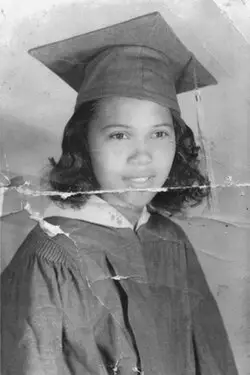
Brown vs The Board of Education – In 1951 Barbara Johns led a successful protest at her Farmville High School, which contributed to the landmark Supreme Court Ruling in Brown v Board of Education declaring ‘separate but equal’ unconstitutional. Her consequential fight for justice is why the Virginia Attorney General’s building was renamed in her honor in 2017.
When Johns was 16 years old, her high school, Robert Russa Moton High School in Prince Edward County, Virginia, was segregated. This division was justified by the notorious phrase “separate but equal”. “Separate but equal” rulings infamously stated that it was legal for government entities and institutions to keep people of different races apart, as long as the resources were the same in value and quality.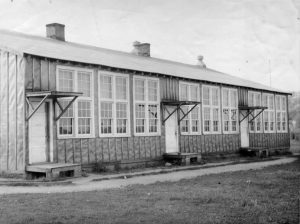
However, while the ‘separate’ portion rang true, the ‘equal’ mandate did not. Schools for African American children were significantly less funded and had far less classroom resources than schools for white children.
Barbara Rose Johns decided to do something about this injustice. In 1951, she boldly organized a protest of her school’s inequality by convincing the entire student body to walk out of school and protest at City Hall. She led about 450 of her peers in an impressive protest that garnered support from the NAACP and other civil rights groups. The NAACP filed a lawsuit on the students’ behalf, sparking a media frenzy that brought attention to the issue of school segregation.
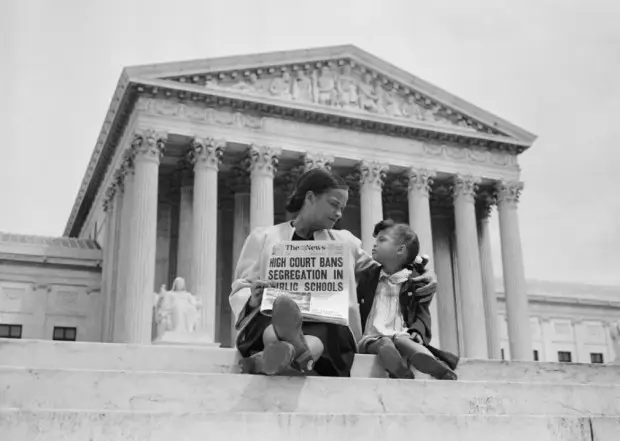
The NAACP case was known as Dorothy Davis et al v. County School Board of Prince Edward County, Virginia, and attempted to dismantle the philosophy of separate but equal. This case was eventually grouped into the famous Brown v. 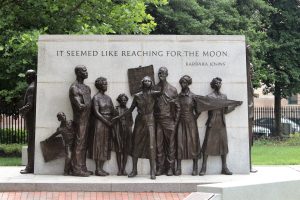 Board of Education Supreme Court case, which resulted in racial school segregation being deemed illegal and unconstitutional. Of those grouped into Brown v Board of Education, Barbara John’s case was the only case originating from a student-led protest.
Because of John’s powerful story of fighting for justice, it is fitting that the office of Virginia’s top justice seeker is named after a Virginian who stood up for the American ideals of equality and opportunity. In addition, the Barbara Johns Building once served as Virginia’s civil rights efforts headquarters. This building represents the eternal fight for justice and houses those who dedicate their lives to it.
Spottswood William Robinson III (July 26, 1916 – October 11, 1998) was a pioneering American civil rights lawyer, jurist, and educator who played a crucial role in dismantling Jim Crow laws in the United States.
He was born in Richmond, Virginia, the son of a lawyer and businessman. Robinson earned a Bachelor of Arts from Virginia Union University and graduated first in his class with the highest scholastic
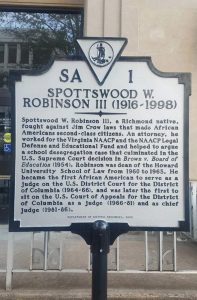
average in the history of Howard University School of Law in 1939. He began his legal career as a professor at Howard University and later joined the NAACP
Legal Defense and Educational Fund (LDF), where he became a key strategist in the fight for racial equality.
Robinson was a central figure in several landmark civil rights cases. He co-led the legal team in Davis v. County School Board of Prince Edward County, the Virginia case that was consolidated with others into the historic Brown v. Board of Education decision (1954), which declared racial segregation in public schools unconstitutional. He also argued Morgan v. Virginia (1946), a foundational case that challenged segregation on interstate buses, and Chance v. Lambeth, which invalidated carrier-enforced racial segregation in interstate transportation.
In 1964, Robinson made history as the first African American appointed to the 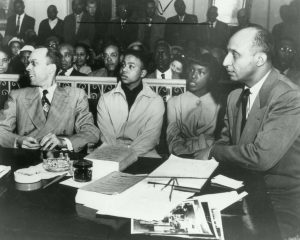 U.S. District Court for the District of Columbia. Two years later, in 1966, he became the first African American appointed to the U.S. Court of Appeals for the District of Columbia Circuit, one of the most influential appellate courts in the nation. He served as Chief Judge from 1981 to 1986, again making history as the first Black person to hold that position.
Robinson’s judicial legacy includes the landmark opinion in Canterbury v. Spence, which established the legal requirement for informed consent in medical procedures, and Laffey v. Northwest Airlines, a pivotal ruling advancing gender equality in the workplace by addressing discriminatory pay and hiring practices against female flight attendants.
Oliver W. Hill (1907–2007) was a pioneering American civil rights attorney from Richmond, Virginia, best known for his instrumental role in the landmark Brown v. Board of Education (1954) Supreme Court case, which declared racial segregation in public schools unconstitutional. Born Oliver White in Richmond on May 1, 1907, he took the last name of his stepfather, Joseph C. Hill, after his mother remarried. He graduated from Howard University Law School in 1933, second in his class to Thurgood Marshall, with whom he formed a lifelong friendship and legal partnership.
 Hill served as the lead attorney for the Virginia State Conference of the NAACP and filed more civil rights lawsuits in Virginia than were filed in all other Southern states combined during the segregation era. His legal victories helped secure equal pay for Black teachers, improved school facilities, and greater access to voting and employment. In 1948, he became the first African American elected to the Richmond City Council since Reconstruction, and later served in federal housing roles under Presidents Kennedy and Johnson.
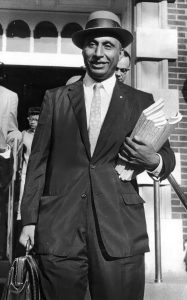 Despite facing threats, including cross burnings and constant harassment, Hill remained a steadfast advocate for justice. He was awarded the Presidential Medal of Freedom in 1999, the NAACP Spingarn Medal in 2005, and the American Bar Association’s Justice Thurgood Marshall Award. The Oliver Hill Scholars program at the University of Richmond and the City of Richmond’s Juvenile and Domestic Relations District Court Courthouse are named in his honor. He retired in 1998 and passed away on August 5, 2007, at age 100.
