


Below is an article by AXIOS Richmond Reporter, Sabrina Moreno which list the steps Virginia is taking to protect it’s citizens
5 ways Virginia lawmakers are trying to rein in ICE's power
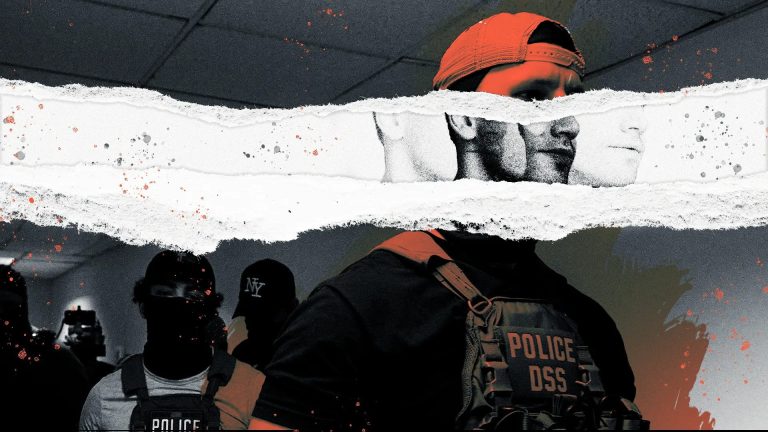
Virginia Democrats are testing how far a state can go to push back on federal immigration enforcement.
Why it matters: States can try to limit ICE’s reach through legislation, but federal law ultimately controls how, and whether, ICE can be constrained.
The big picture: Immigration has become a flashpoint in this year’s legislative session, especially after federal agents fatally shot two U.S. citizens in Minneapolis last month.
The killings have intensified scrutiny of ICE tactics and prompted several Democrat-led states — like Colorado, Oregon and Illinois — to also attempt to limit ICE’s actions.
Friction point: State lawmakers can’t tell ICE how to enforce federal immigration law.
But Democrats are saying that they can decide how state and local governments cooperate with federal agents — and whether ICE is welcome in state-run spaces.
Zoom in: These are five ways Virginia lawmakers are trying to rein in ICE through a package of bills advancing in the General Assembly.
1. No courthouse arrests
Several bills aim to ban civil immigration arrests in and around courthouses unless federal agents have a judge-signed warrant.
This follows a courthouse crackdown last summer in Chesterfield, after a policy shift allowed ICE to detain people after court appearances for the first time in years.
2. No local police cooperation
Local officers would be banned from assisting with federal immigration enforcement unless required by law or presented with a judicial warrant.
Nearly 30 local sheriff’s offices in Virginia still have a cooperation agreement with ICE, according to federal data updated Tuesday afternoon.
This bill would require those agreements to be terminated by Sept. 1.
3. Creating “protected areas”
Immigration agents would be barred from the nonpublic areas of hospitals, schools, prosecutors’ offices and other state-run facilities.
If an employee of one of these “protected areas” allowed ICE agents through to these spaces, they could face a Class 1 misdemeanor.
Of note: Before a policy shift in January 2025, ICE’s internal guidance included avoiding schools and hospitals.
4. No polling places
There’s a push to ban federal immigration agents from conducting enforcement near voting sites.
Republicans argue this bill is unnecessary because only U.S. citizens can vote.
Democrats counter that ICE’s presence could still intimidate lawful voters.
5. No face masks
Under this proposal, it would be illegal in most cases for any law enforcement officer to use a face mask while on duty. The bill would also require officers to be clearly identifiable.
The intrigue: California enacted a ban on federal agents wearing masks and was then sued by the Trump administration.
A judge on Monday struck down the law, calling it discriminatory because it applied only to federal agents, reports the New York Times.
What we’re watching: A bill to create a Virginia Accountability Commission to document the actions of federal agents in the state and assess their effect on communities was tabled until next year.
