
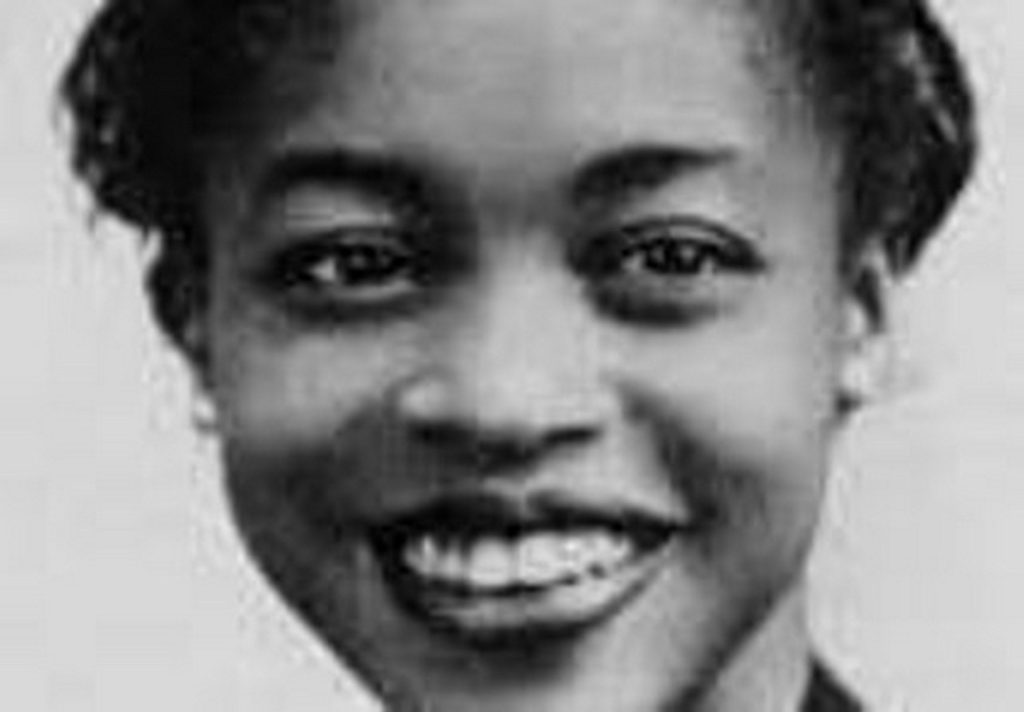

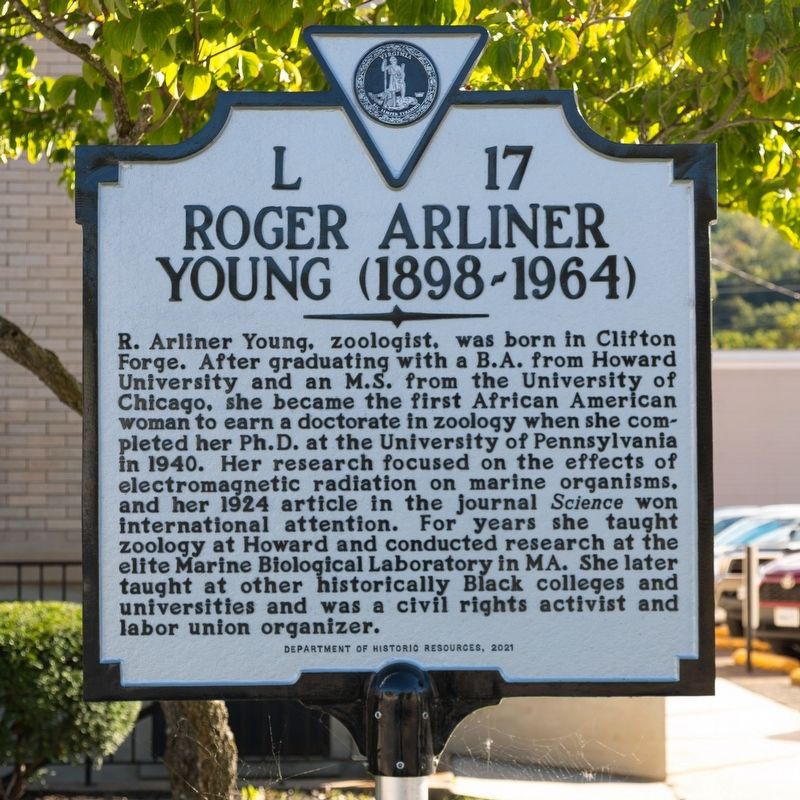
(August 20, 1899 – November 9, 1964) was an American scientist of zoology, biology, and marine biology. She was the first African American woman to receive a doctorate degree in zoology.
Born in Clifton Forge, Virginia in 1899, Young soon moved with her family to Burgettstown, Pennsylvania where she graduated from Burgettstown High School. Her father labored as a coal miner, and her mother initially worked as a housekeeper before disability left her unable to work. The family was poor and most of the time resources were expended in the care of her disabled mother.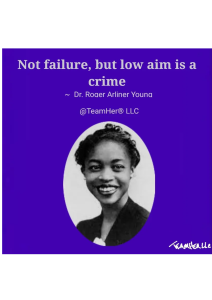
Her limited financial resources did not stop Young from being an active member of her community, as she has been noted as being active in community service and arts programs throughout her life. During her time at Howard University, Young was an active member of the Dunbar Players, a university-affiliated drama troupe. Additionally at Howard, Young held a position as President of the Women’s Faculty Club, during which time she met Eleanor Roosevelt in 1935 with whom she continued correspondence. Later, Young continued her community service on the Phyllis Wheatley YWCA, one of the first YWCA’s in the United States to serve “Colored” women, as an active member of their social service committee.
Young was a strong advocate for labor rights and racial justice. Following the 1944 murder of a black man by a white bus driver, which was largely ignored, Young was elected secretary of the Durham, North Carolina chapter of the NAACP. She also joined the board of directors of the Harriet Tubman YWCA in Durham, a major site of organizing for civil and women’s rights activism, and became an organizer of black workers in the Tobacco Workers International Union (TWIU).
In 2020 Her accomplishments were featured in an article by the BBC entitled;
“How a brilliant biologist was failed by science”
Roger Arliner Young’s brilliance made her the first black woman in the US to hold a doctorate in zoology. But her academic promise was failed by a system too rooted in prejudice to accept her as an equal.
In 1923, when Roger Arliner Young graduated from Howard University with her bachelor’s degree, she scrawled these words next to her photo: “Not failure, but low aim is a crime.” She would live by that maxim for the next decade, making waves in biology and rising through science and academia at a remarkable speed.
Before even earning her master’s degree, Young became the first black woman to publish a paper in the prestigious journal Science, resulting in an international reputation for discovering the structure of Paramecium – a species of water-dwelling single-celled organisms. For this research, her mentor and eminent biologist Ernest Everett Just praised her as a “real genius in zoology”.
Later, as acting head of Howard University’s zoology department, Young broke new ground as the first black woman in the Sigma Xi fraternity for scientists and engineers. She also became the first black woman to conduct research at the internationally renowned Marine Biological Laboratory in Woods Hole, Massachusetts.
In the early 20th Century, less than 50 years after the end of slavery, it was indeed remarkable that a black woman was able to accomplish such heights. White women in the United States were enrolling in higher education and entering the sciences in unprecedented numbers. But black women continued to be denied such access and opportunity, trailing the entry of white women in the sciences by about 60 years. In her survey of black women science PhDs, historian Wini Warren found that between 1876 and 1969, about 650 black people received doctorates in the natural sciences; only 58 doctorates were held by black women.
Young would become one of them in 1940 – and the first in zoology.
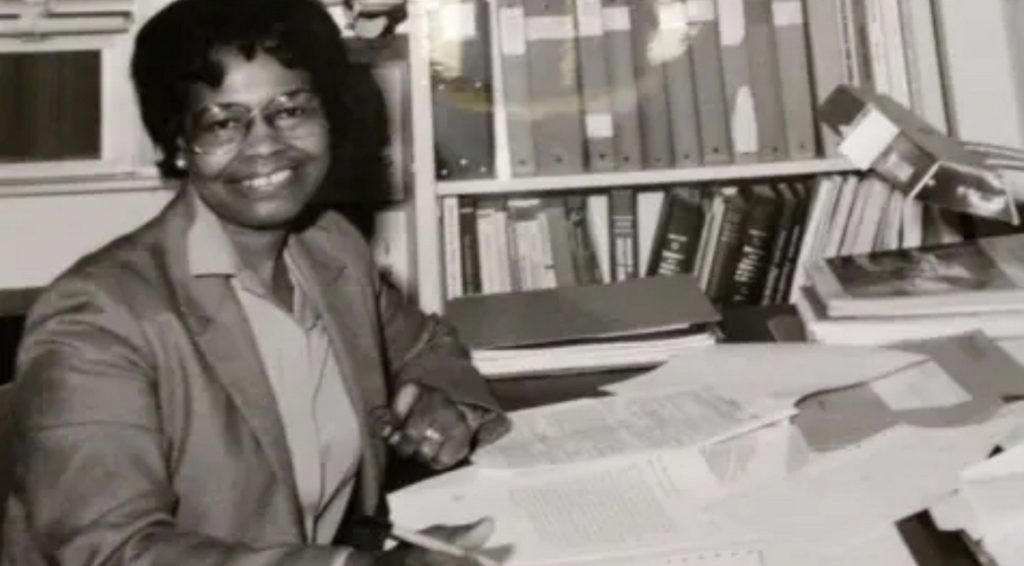
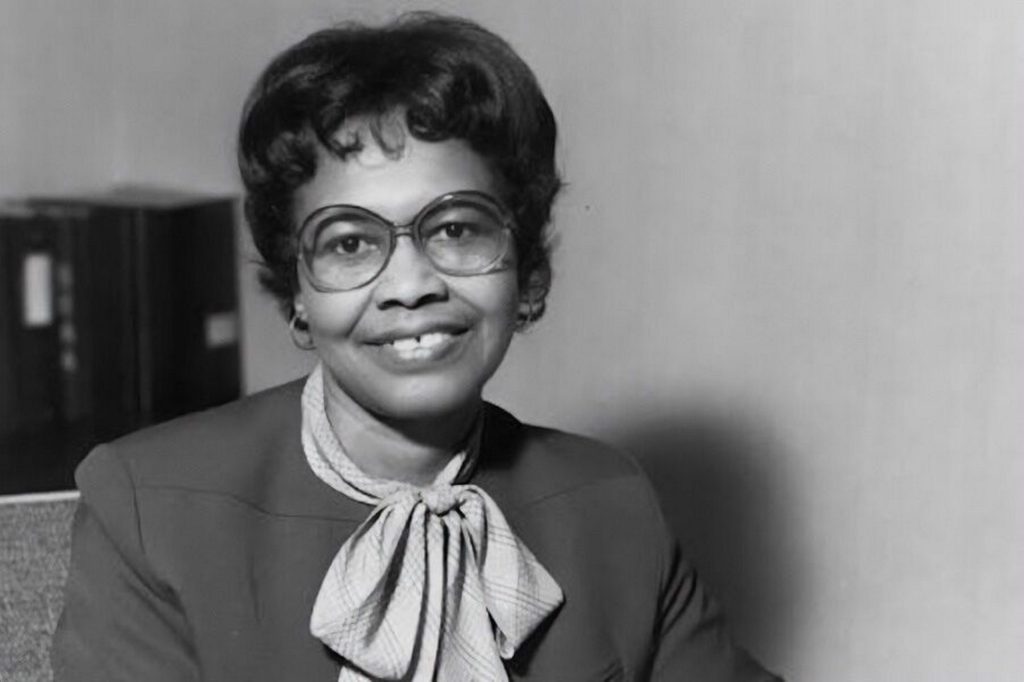
Dr. Gladys B. West, born Gladys Mae Brown on October 27, 1930, in Sutherland, Virginia, was a pioneering mathematician whose groundbreaking work laid the foundation for the Global Positioning System (GPS). Raised on a small farm in rural Dinwiddie County, she overcame the challenges of segregation and gender barriers to pursue a career in mathematics. She earned a Bachelor of Science in Mathematics from Virginia State College (now University) in 1952 and a Master of Science in Mathematics in 1955.
In 1956, West began her 42-year career at the U.S. Naval Weapons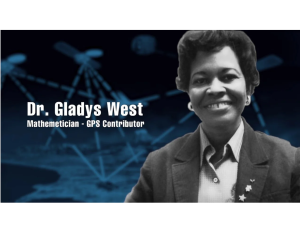 Laboratory in Dahlgren, Virginia, where she became one of the first Black women hired. Her work in satellite geodesy—developing highly accurate mathematical models of the Earth’s shape—was critical to the development of GPS technology. She played a key role in major satellite programs like GEOS-3, GEOSAT, and SEASAT, and her detailed geoid modeling enabled the precision used in modern navigation systems.
Despite her monumental contributions, her role remained largely unrecognized for decades. In the 2010s, her legacy was finally acknowledged with honors including:
Induction into the Air Force Space and Missile Pioneers Hall of Fame (2018)
Recognition by the BBC 100 Women (2018)
The Webby Lifetime Achievement Award (2021)
The Prince Philip Medal (2021)
Induction into the Surface Navy Association Hall of Fame (2024)
The Gladys West Elementary School in Fredericksburg, VA, named in her honor (2024)
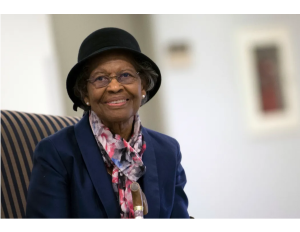 She passed away on January 17, 2026, at the age of 95, leaving behind a legacy as a trailblazer in STEM and a symbol of perseverance, faith, and excellence. Her memoir, It Began with a Dream, was published in 2020.

(August 1, 1920 – October 4, 1951)
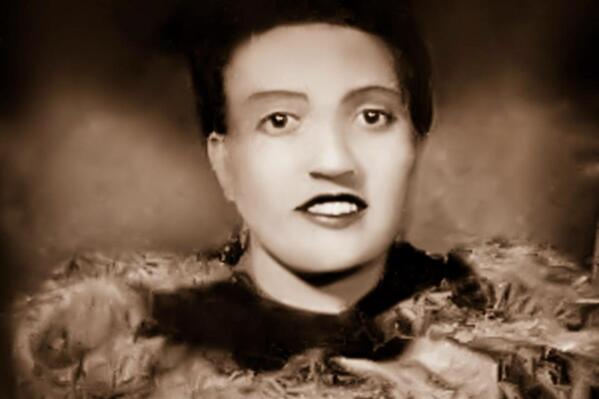
Henrietta Lacks an African-American woman was born Loretta Pleasant on August 1, 1920, in Roanoke, Virginia, to Eliza Pleasant (Lacks) (1886–1924) and John “Johnny” Randall Pleasant (1881–1969). She is remembered as having hazel eyes, a small waist, size 6 shoes, and always wearing red nail polish and a neatly pleated skirt. Her family is uncertain how her name changed from Loretta to Henrietta, but she was nicknamed Hennie.
 Henrietta Lacks whose cancer cells are the source of the HeLa cell line, the first immortalized human cell line and one of the most important cell lines in medical research. An immortalized cell line reproduces indefinitely under specific conditions, and the HeLa cell line continues to be a source of invaluable medical data to the present day.
Lacks was the unwitting source of these cells from a tumor biopsied during treatment for cervical cancer at Johns Hopkins Hospital in Baltimore, Maryland, in 1951. These cells were then cultured by George Otto Gey, who created the cell line known as HeLa, which is still used for medical research. As was then the practice, no consent was required to culture the cells obtained from Lacks’s treatment. Neither she nor her family were compensated for the extraction or use of the HeLa cells.
Even though some information about the origins of HeLa’s immortalized cell lines was known to researchers after 1970, the Lacks family was not made aware of the line’s existence until 1975. With knowledge of the cell line’s genetic provenance becoming public, its use for medical research and for commercial purposes continues to raise concerns about privacy and patients’ rights.
On January 29, 1951, Lacks went to Johns Hopkins because she felt a “knot” in her womb. She had previously told her cousins about the “knot” and they assumed correctly that she was pregnant. But after giving birth to Joseph, Lacks had a severe hemorrhage. Her primary care doctor, William C. Wade, referred her back to Johns Hopkins. There, her doctor, Howard W. Jones, took a biopsy of a mass found on Lacks’s cervix for laboratory testing. Soon after, Lacks was told that she had a malignant epidermoid carcinoma of the cervix. In 1970, physicians discovered that she had been misdiagnosed and actually had an adenocarcinoma. This was a common mistake at the time, and the treatment would not have differed.
Lacks was treated with radium tube inserts as an inpatient and discharged a few days later with instructions to return for X-ray treatments as a follow-up. During her treatments, two samples were taken from Lacks’s cervix without her permission or knowledge; one sample was of healthy tissue and the other was cancerous. These samples were given to George Otto Gey, a physician and cancer researcher at Johns Hopkins. The cells from the cancerous sample eventually became known as the HeLa immortal cell line, a commonly used cell line in contemporary biomedical research.
On August 8, 1951, Lacks, who was 31 years old, went to Johns Hopkins for a routine treatment session and asked to be admitted due to continued severe abdominal pain. She received blood transfusions and remained at the hospital until her death on October 4, 1951.A partial autopsy showed that the cancer had metastasized throughout her entire body.
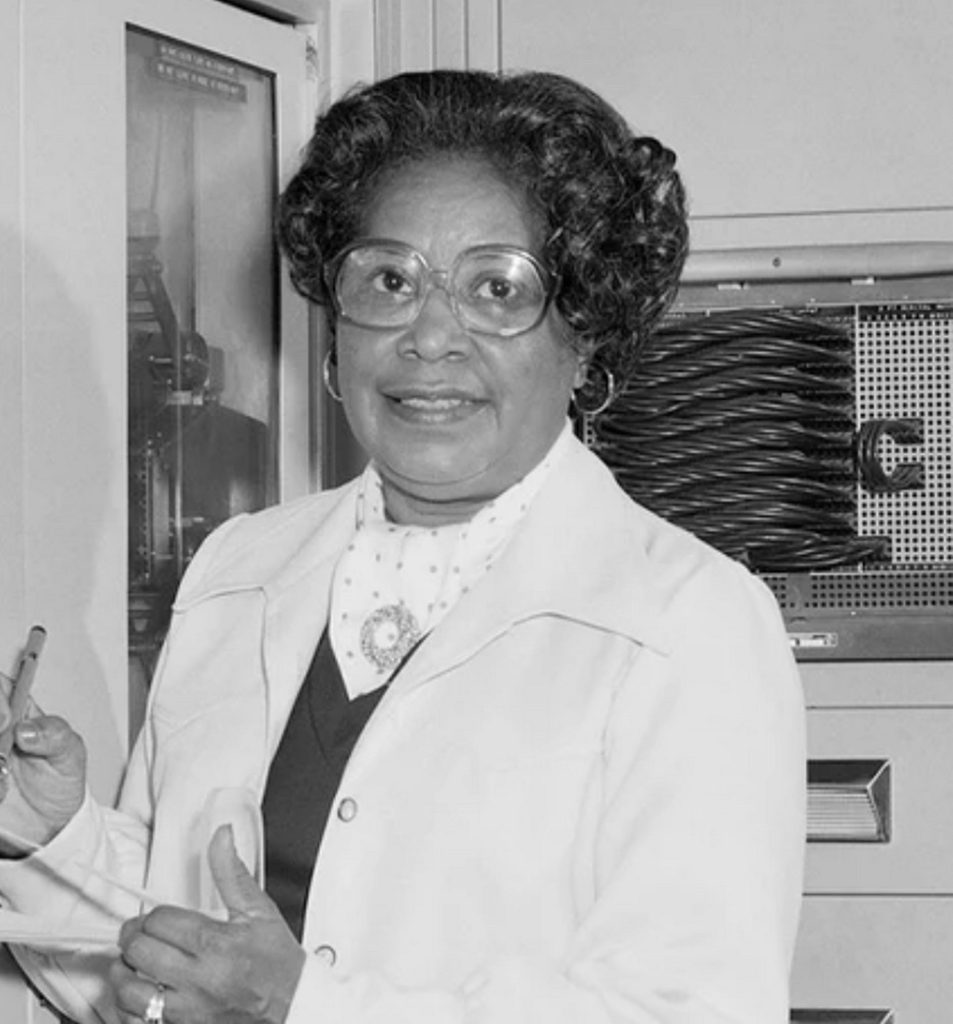
Mary Jackson, born Mary Winston on April 9, 1921, in Hampton, Virginia, was a pioneering African American mathematician and aerospace engineer. She graduated with top honors from George P. Phenix Training School and earned dual bachelor’s degrees in mathematics and physical science from Hampton Institute (now Hampton University) in 1942.
She began her career at the National Advisory Committee for Aeronautics (NACA) in 1951, working as a “human computer” in the segregated West Area Computing Unit at Langley Research Center. In 1958, after overcoming racial and gender barriers by securing permission to attend graduate-level courses at a segregated high school, she became NASA’s first African American female engineer. 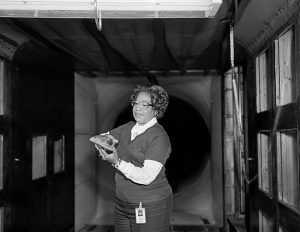
For Mary Winston Jackson, a love of science and a commitment to improving the lives of the people around her were one and the same. In the 1970s, she helped the youngsters in the science club at Hampton’s King Street Community center build their own wind tunnel and use it to conduct experiments. “We have to do something like this to get them interested in science,” she said in an article for the local newspaper. “Sometimes they are not aware of the number of black scientists, and don’t even know of the career opportunities until it is too late.”
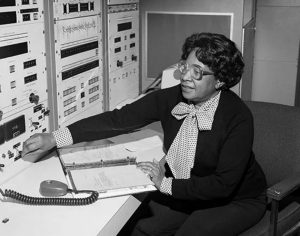 Mary’s own path to an engineering career at the NASA Langley Research Center was far from direct. A native of Hampton, Virginia, she graduated from Hampton Institute in 1942 with a dual degree in Math and Physical Sciences, and accepted a job as a math teacher at a black school in Calvert County, Maryland. Hampton had become one of the nerve centers of the World War II home front effort, and after a year of teaching, Mary returned home, finding a position as the receptionist at the King Street USO Club, which served the city’s black population. It would take three more career changes—a post as a bookkeeper in Hampton Institute’s Health Department, a stint at home following the birth of her son, Levi, and a job as an Army secretary at Fort Monroe—before Mary landed at the Langley Memorial Aeronautical Laboratory’s
