
The Law and Politics
At same time we were educating ourselves, building our schools and institutes of higher learning, we also knew we had to be part of the decision making process.
So we entered the political arena and we were very successful!

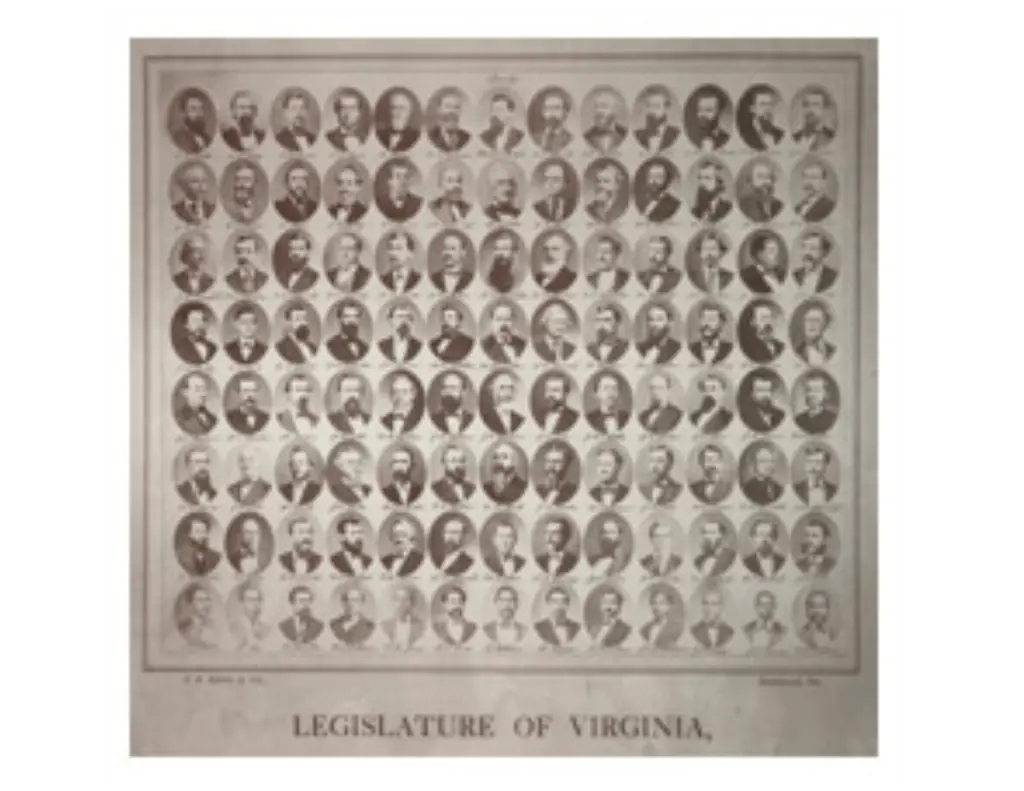
Too successful for many of the people in the south!
During the Reconstruction era (1865–1877), over 85 African American men were elected to the Virginia General Assembly, serving in both the House of Delegates and the Senate. These lawmakers played a critical role in shaping post-Civil War Virginia, advocating for public education, civil rights, and political equality.
These men were part of a broader movement: over 1,500 African Americans held public office across the South during Reconstruction, with Virginia being one of the states with the most sustained Black political participation.
African American legislators in Virginia were primarily members of the Republican Party, which supported civil rights and Reconstruction policies.
The Readjuster Party was a bi-racial, cross-class political coalition formed in Virginia in the late 1870’s during the Reconstruction era, primarily in response to the state’s massive pre-Civil War debt—over $45 million—accrued from infrastructure projects like railroads and canals. The party sought to “readjust” the debt by reducing the principal and interest rates, arguing that full repayment would drain state funds from essential public services, especially public education.
Their political influence declined by the 1890’s due to Democratic Party resurgence, voter suppression, and the 1902 state constitution that effectively disenfranchised Black voters.
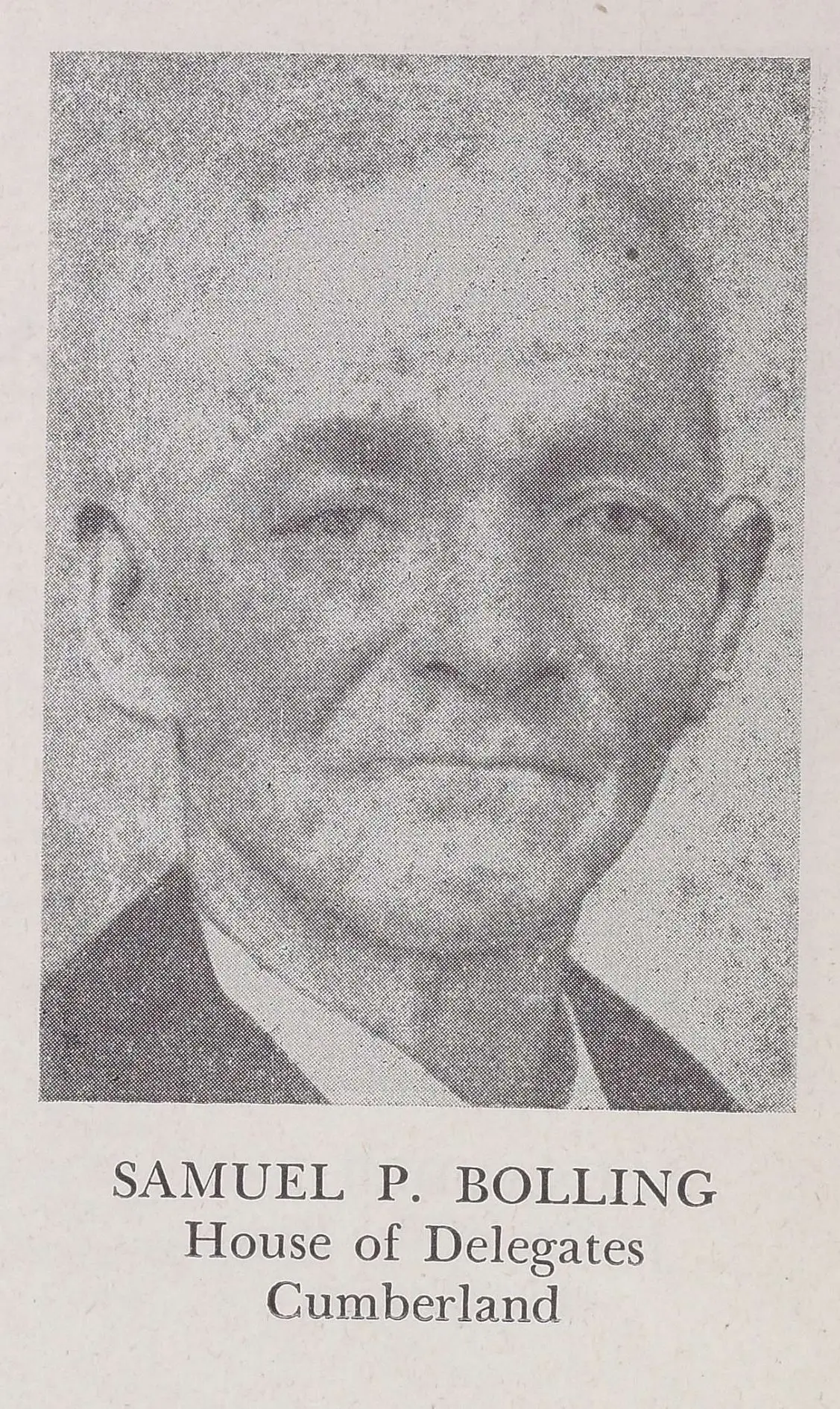
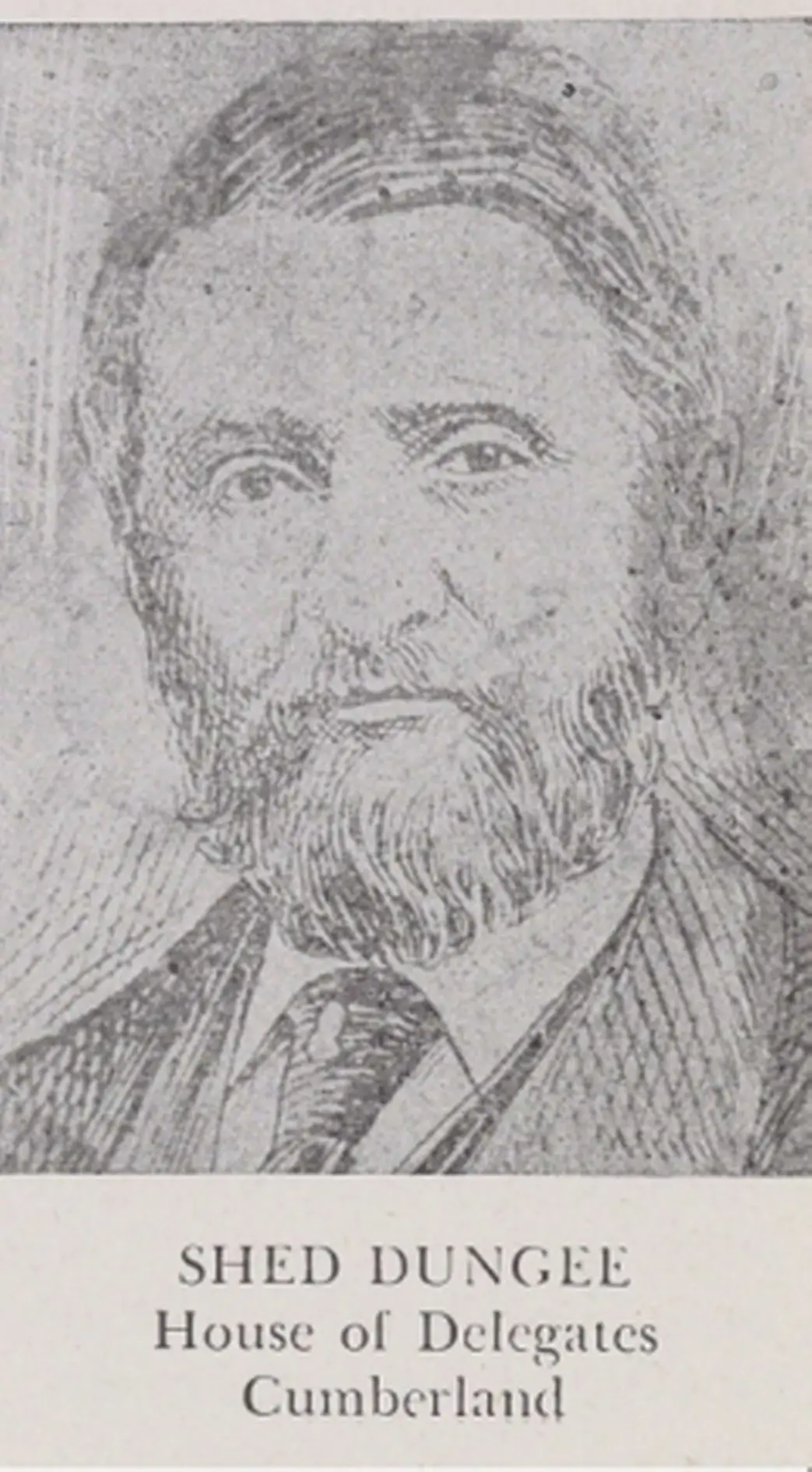
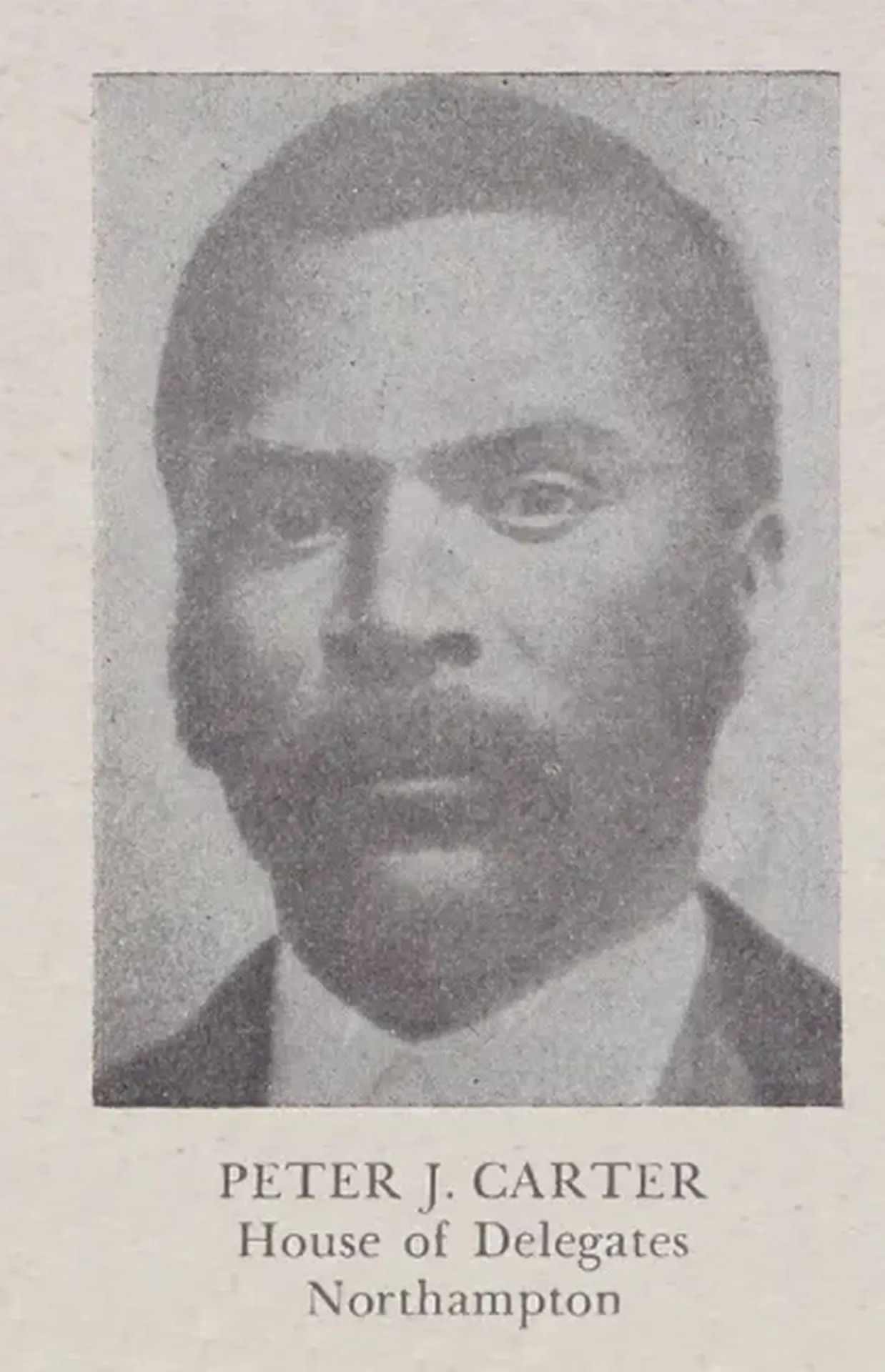
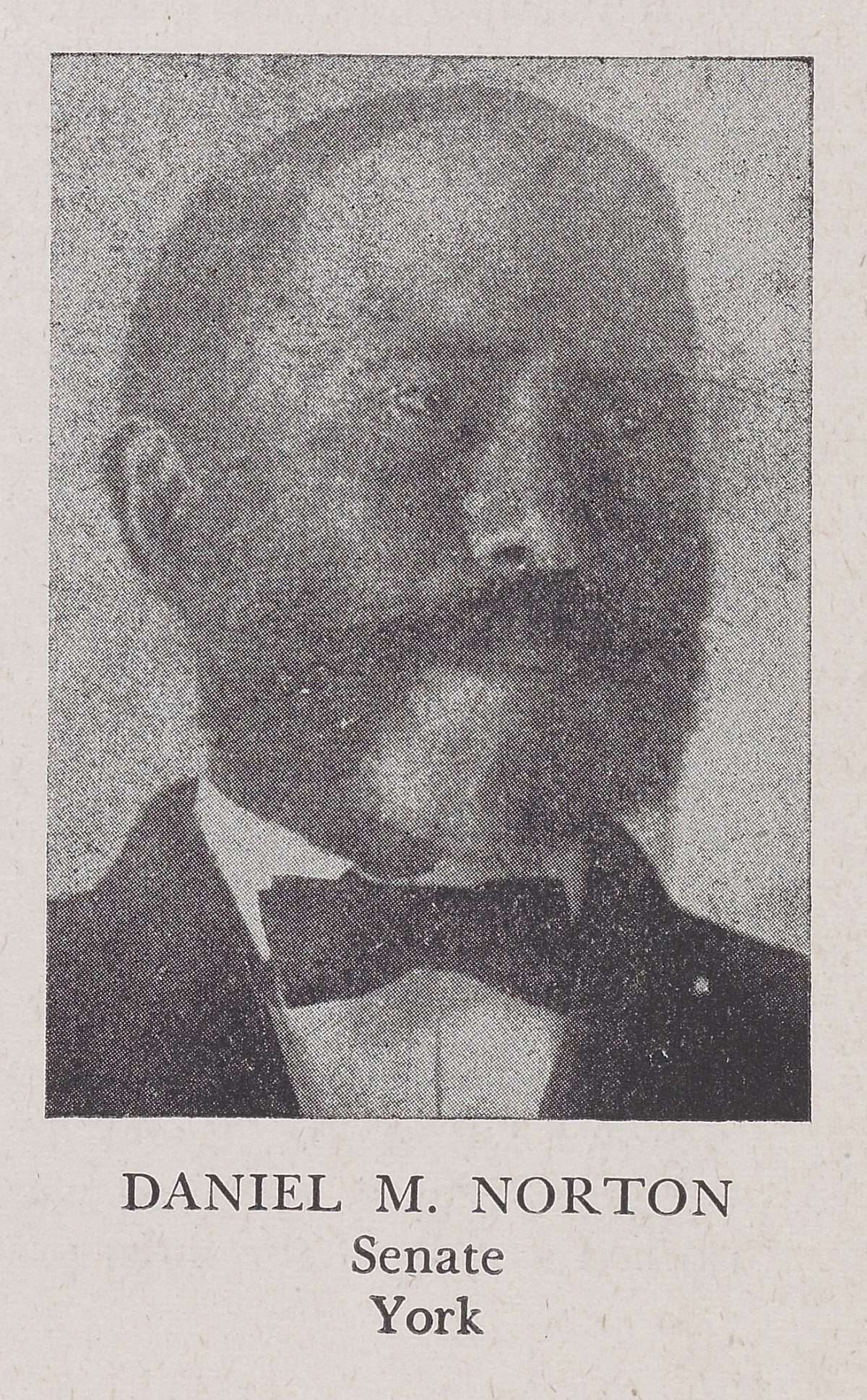
Notable Black politicians in Virginia during Reconstruction include:
- John L. Robinson was a member of the Convention of 1867–1868 and of the Senate of Virginia. Born free in Cumberland County Robinson achieved some measure of prosperity before and during the American Civil War (1861–1865), but he moved to Amelia County in 1864 after mobs attacked him twice. Involving the courts, he was a party to at least ten lawsuits to safeguard his property.
- Samuel P. Bolling – was an African-American politician, businessman, and former enslaved person who served in the Virginia House of Delegates from 1885 to 1887, representing Cumberland and Buckingham Counties. Born into slavery on January 10, 1819, in Cumberland County, Virginia.
- Shed Dungee – was born enslaved on December 25, 1831, at the Oak Hill Plantation. He traveled to Richmond when his enslaver, William M. Thornton, was elected to the House of Delegates (1879-1882) and aligned with the Readjusters, a biracial coalition that achieved major reforms and supported public education.
- Daniel M. Norton – A physician and prominent leader in Hampton, he served in the Virginia Senate for twelve years (1869–1881), advocating for compulsory education and jury rights for African Americans.
- Joseph P. Evans – Represented Petersburg in the House of Delegates (1871–1873) and the Senate (1874–1875), supporting education reform and labor rights. His son, William W. Evans, also served in the General Assembly (1887–1888).
- Edward David Bland – Represented Prince George County in the House of Delegates (1871–1875), aligning with the integrated Readjuster Party.
- Thomas Bayne (also known as Samuel Nixon) – A dentist and minister, he was elected to the 1867–1868 Virginia Constitutional Convention and served as a key leader in advocating for school integration and tax reform.
- Peter Jacob Carter – An army veteran from Northampton County, he served four terms in the House of Delegates and was a major Republican leader in eastern Virginia.
- The Norton brothers (Frederick, Daniel, and Robert) – Represented Williamsburg and surrounding counties, with Daniel and Robert later becoming leaders in the Readjuster Party.
- Phillip S. Bolling – Represented Buckingham and Cumberland Counties in the House of Delegates (1883–1885), succeeded by his father, Samuel P. Bolling.
- Charles E. Hodges and John Quincy Hodges – Served in the House of Delegates during the same term, representing Norfolk and Princess Anne Counties, respectively.
Black political participation in Virginia declined after the 1890s due to Democratic Party reassertion, voter suppression, and the 1902 state constitution that disenfranchised most Black voters. Despite this, African Americans continued to hold local offices into the 20th century, and the legacy of Reconstruction-era leadership persisted in Virginia’s political history.
